Comprehensive building performance analysis using calibrated instrumentation and evidence-based assessment protocols.
Infrared thermography reveals temperature differentials across building envelopes, identifying insulation defects, air leakage pathways, and thermal bridging at structural connections.
Our FLIR T1K cameras capture 640x480 resolution thermal imagery with 0.02°C sensitivity. Scans are conducted during appropriate temperature differentials between interior and exterior environments to maximize thermal contrast.
Deliverables include annotated thermal images, comparative analysis against baseline performance expectations, and prioritized defect remediation recommendations.
Computational simulations using EnergyPlus and TRACE 3D Plus platforms predict annual energy consumption across heating, cooling, ventilation, lighting, and plug loads.
Models incorporate architectural drawings, mechanical specifications, occupancy schedules, and local climate data to generate hourly load profiles. Calibration against utility billing data ensures prediction accuracy within 10% tolerance.
Scenario analysis evaluates retrofit options including envelope upgrades, equipment replacements, and control strategy modifications before capital deployment.
Mechanical system diagnostics measure airflow rates, supply temperatures, refrigerant pressures, and electrical consumption to identify performance degradation and distribution inefficiencies.
Testing protocols include duct leakage quantification, airflow balancing verification, and controls sequence evaluation. Thermal imaging identifies ductwork insulation failures and refrigerant line issues.
Analysis compares measured performance against manufacturer specifications and design intent, revealing deviations that increase operating costs or compromise comfort.
Blower door testing quantifies building envelope airtightness by measuring airflow required to maintain pressure differentials between interior and exterior environments.
Retrotec diagnostic equipment creates controlled depressurization while monitoring flow rates. Results are reported as air changes per hour at 50 Pascals pressure differential, the industry standard metric.
Thermal imaging during pressurization reveals specific leakage locations at penetrations, joints, and transitions for targeted sealing interventions.
Regulatory compliance documentation including Energy Star verification, LEED energy modeling, and provincial building performance certifications.
Certification processes require third-party verification of design specifications, construction quality, and operational performance. Our credentials enable submission of verified documentation to certification authorities.
Services include pre-certification planning, testing coordination, documentation assembly, and authority liaison through final approval.
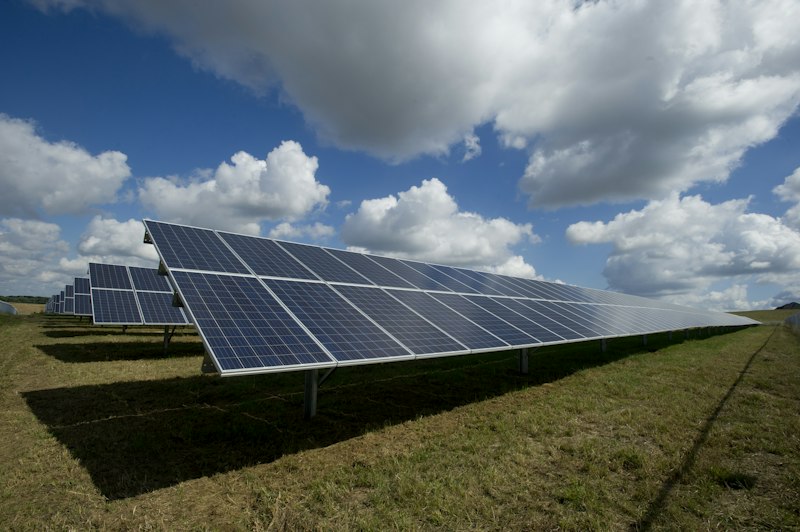
Feasibility analysis for photovoltaic arrays, solar thermal systems, geothermal heat pumps, and thermal energy storage evaluates technical viability and economic performance.
Analysis incorporates site-specific solar resource data, utility rate structures, incentive programs, and equipment performance specifications. Financial modeling projects return on investment across system lifecycle.
Deliverables include system sizing recommendations, equipment specifications, utility interconnection requirements, and installation contractor coordination support.
Initial consultations review building characteristics, performance concerns, and diagnostic objectives to recommend appropriate assessment services.
Request Consultation